Introduction
This workshop's goal is to advance scholarly and professional attention to the needs, opportunities, and issues of online freelance work as artificial intelligence (AI) becomes more central to it.
Online freelance work is both a growing part of contemporary labor practices and a window into one future of work — where project-based work is sourced and conducted through online labor markets. This opportunity space is also a place of substantial investment in machine-learning and other AI systems.
Bringing together scholars, activists, and thought-leaders interested in advancing the opportunities for online freelance workers, the workshop provides a forum for advancing ideas, sharing lessons learned, and encouraging collaboration. Supported by the National Science Foundation, it focuses on how AI can help these workers thrive in online labor markets.
Wednesday, September 30 — Thursday, October 1, 2026
Day 1: 12:00 PM — 5:00 PM (dinner to follow)
Day 2: 8:30 AM — 3:00 PM (working lunch ends the meeting)
Location: Syracuse University’s Washington, DC facility, located near Dupont Circle at 1333 New Hampshire Ave NW, Washington, DC
Goals of the workshop:
- Connect researchers and practitioners working on overlapping challenges in AI and online freelance work to build a shared community.
- Identify the data, tools, and resources that can better support online freelance workers.
- Surface the most pressing research questions and open challenges.
- Develop new concepts for AI tools, systems, and interventions that address these challenges.
- Catalyze collaborations that lead to new studies, grant proposals, papers, datasets, and open-source projects.
Organizers
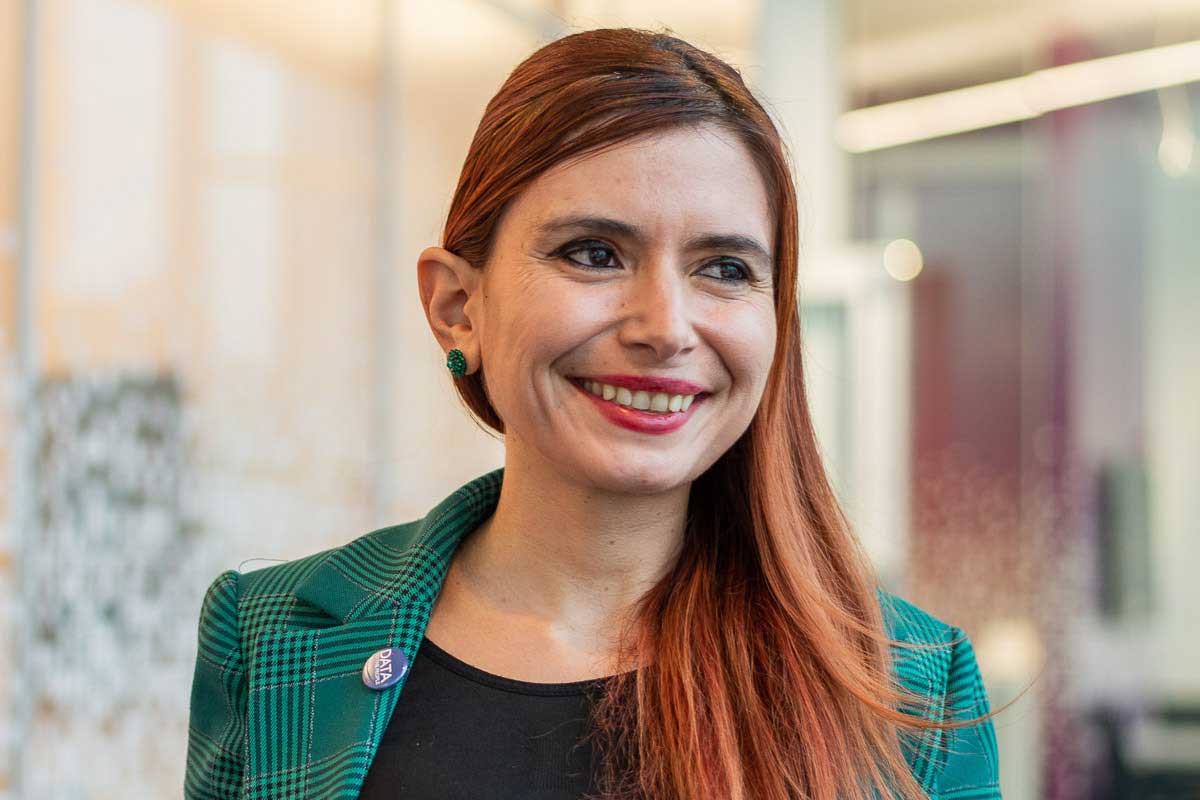
Saiph Savage — Civic A.I. Lab, Northeastern University
Saiph Savage is an Assistant Professor at Northeastern University in the Khoury College of Computer Sciences, where she directs the Northeastern Civic A.I. Lab. She co-designs, develops, and studies public AI technologies that empower workers, federal agencies, industry leaders, and NGOs. Research funding includes NSF awards including the NSF CAREER Award; she has received support from the U.S. Department of Justice. Her work has been recognized by MIT Technology Review, Forbes, and UNESCO, and has won awards at ACM CHI, CSCW, and The Web Conference.
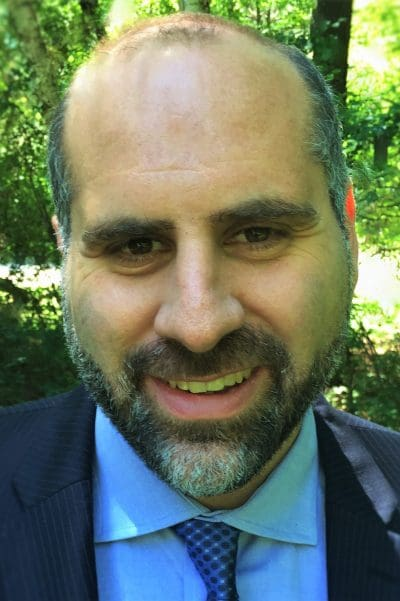
Mike Dunn — Skidmore College; also associated with the Digital Work Group at Syracuse University
Mike is an Associate Professor at Skidmore College’s Department of Management and Business. His education began with an MBA, shifting to the study of work and employment, including studies of contingent work and platform work, during his doctorate (in sociology) at the University of North Carolina-Chapel Hill. His work is focused on issues at the confluence of technology and labor market outcomes with a specific emphasis on precarious and nonstandard work arrangements. His work is theoretically informed by the sociology of work, and organizations and labor studies. In the previous decade Dunn has worked on five NIH-funded efforts focused on precarious and underserved worker populations (i.e. tribal workers, day laborers, ex-offenders). From 2015-2017, Dunn was a visiting researcher at the Bureau of Labor Statistics. His methodological orientation is primarily qualitative and has field-based research experience with rideshare/transportation, delivery/task, crowdwork, and online freelance platforms.
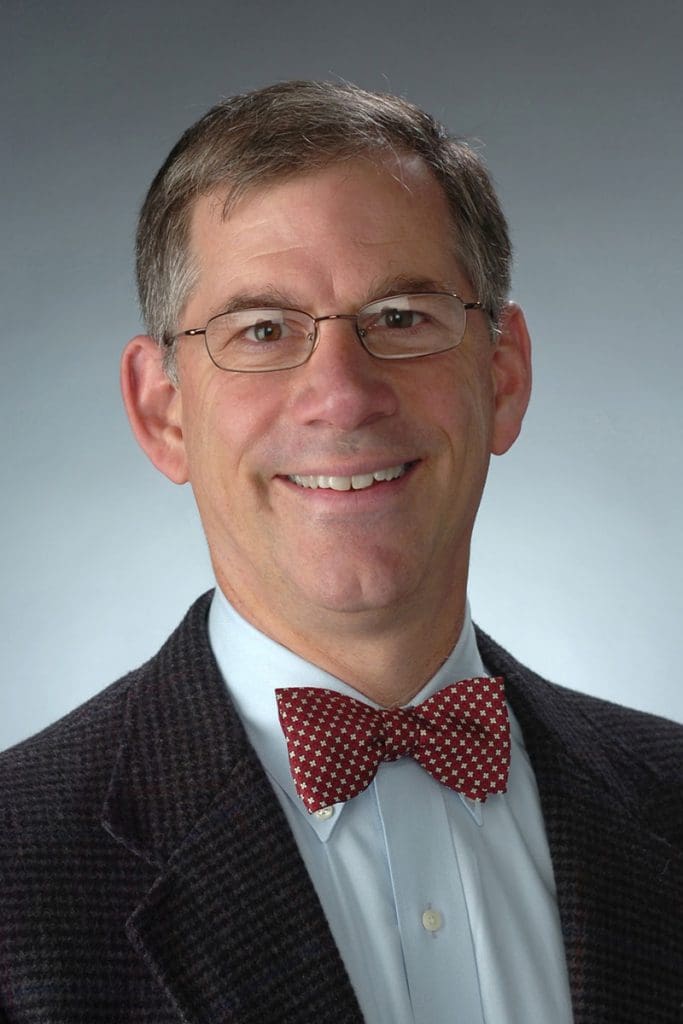
Steve Sawyer — Digital Work Group, Syracuse University
Steve Sawyer is on the faculty of Syracuse University’s School of Information Studies. His research focuses on the changing forms of work and organizing enabled through uses of information and communication technologies. He conducts detailed field-based studies of scientific collaborators, software developers, real estate agents, police officers, freelance workers, and other information-intensive work; he advances sociotechnical approaches collectively known as social informatics. His work is published broadly and supported by NSF, IBM, Corning, and others. Before returning to Syracuse, Sawyer was a founding faculty member at Penn State’s College of Information Sciences and Technology. He earned his doctorate from Boston University in 1995.
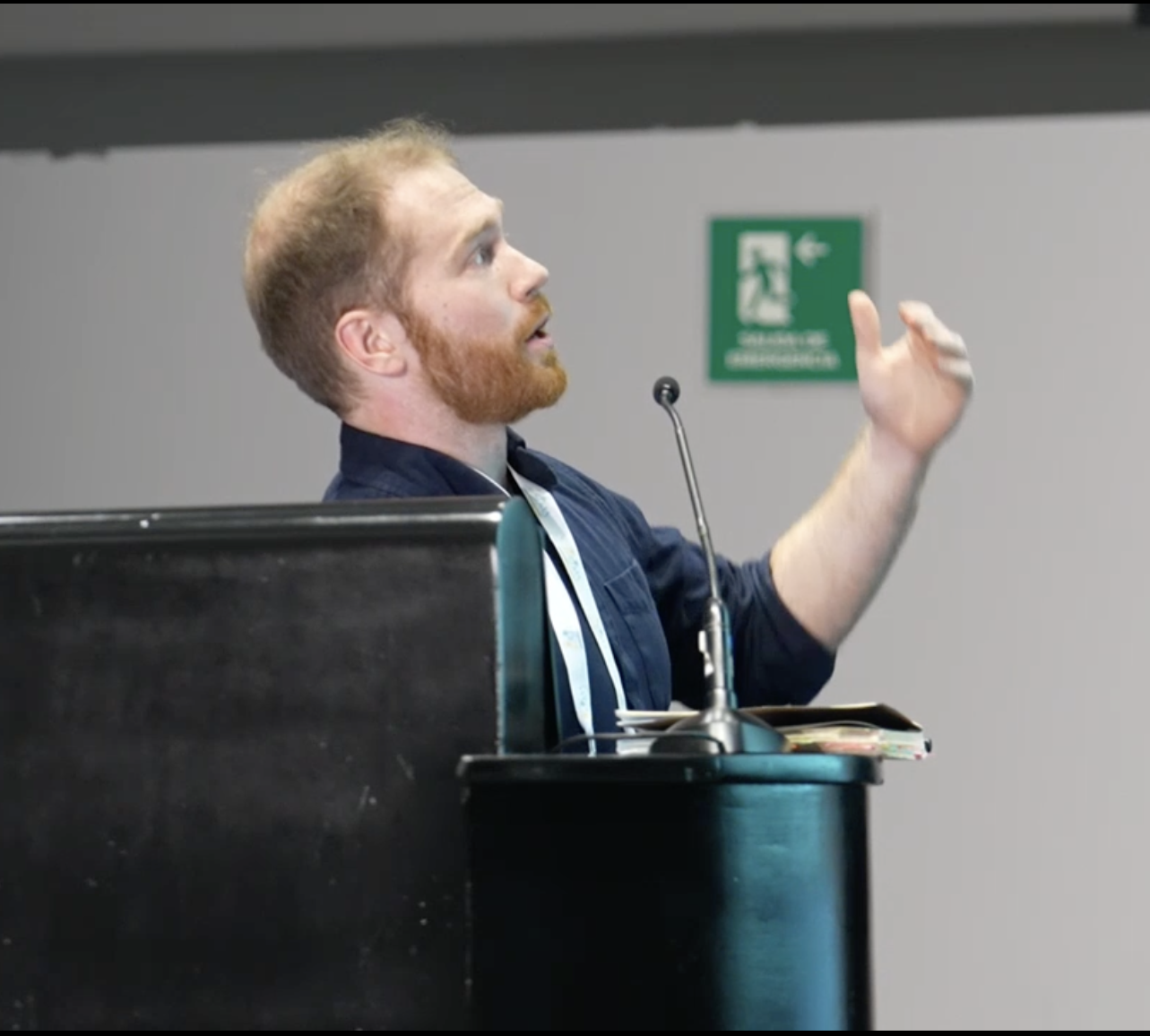
Christopher Curtis — Civic A.I. Lab, Northeastern University
Christopher Curtis is a PhD candidate in Computer Science at Northeastern University whose research focuses on human–AI collaboration, worker-centered AI, and AI evaluation. His work examines how AI systems can support complex professional and consequential forms of work while preserving human agency, expertise, and control. His research spans human-computer interaction, multimodal reasoning, and the design and evaluation of AI systems, and he previously delivered a tutorial at NeurIPS 2025.
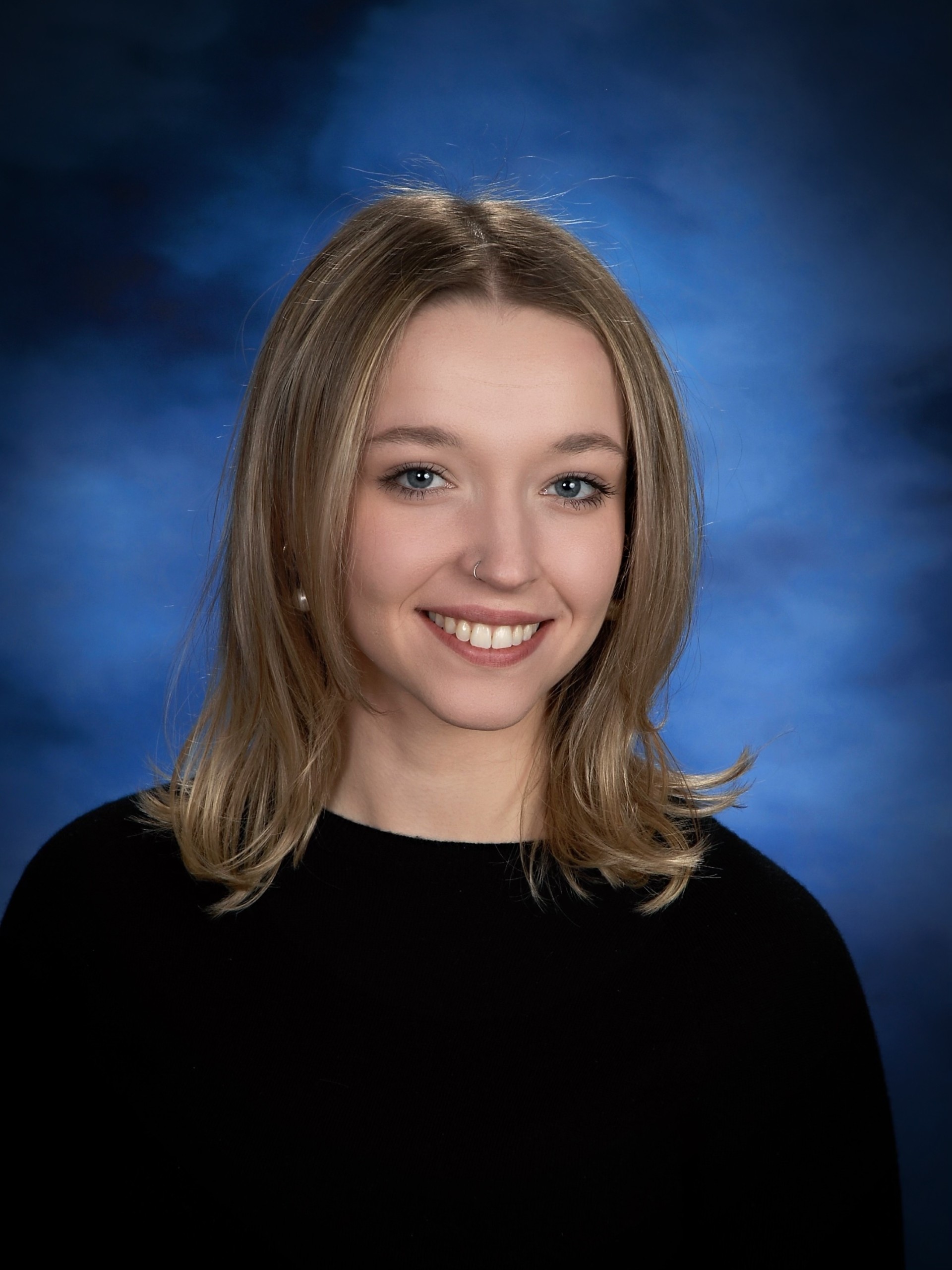
Clea O'Neil — Digital Work Group, Syracuse University
Clea O’Neil is a Ph.D. student at the Syracuse University iSchool. She focuses on how digital labor platforms are reshaping the relationship between organizations and workers. O’Neil studies how online workers across occupations manage platform-mediated identity, strategize to appeal to algorithms, and experience the effects of AI. She joined the Digital Work Group in 2021 and graduated from Skidmore College in 2024 with a BA in Business-Political Science; she worked as a post-graduate research fellow and project manager before joining the iSchool's Ph.D. program.
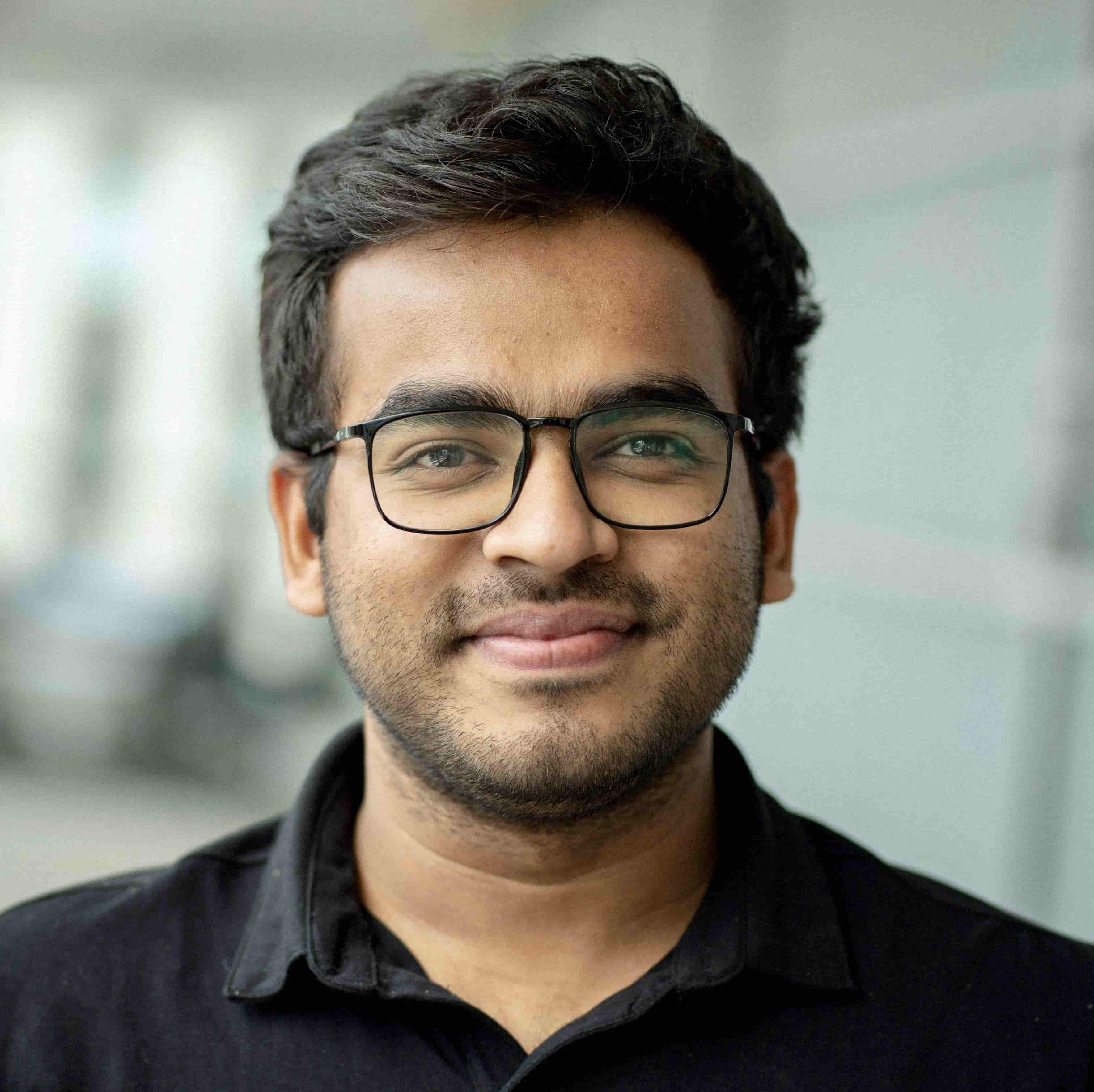
Kashif Imteyaz — Civic A.I. Lab, Northeastern University
Kashif Imteyaz is a Computer Science Ph.D. candidate at the Khoury College of Computer Sciences at Northeastern University, researching Human-Centered AI and the future of work. His research explores Human–AI interaction, the societal impacts of generative AI on knowledge workers, and the design of workplace technologies that support collaboration, learning, and agency. His work has been published at ACM CHI, ACM CHIWORK, and AAAI/ACM AIES. He chairs the ACM SIGCHI Boston chapter and is affiliated with Northeastern’s Global Action Policy Initiative,
Attendees
TBD — WE WILL UPDATE SOON.
Agenda
Day 1: Wednesday, September 30
| Morning |
Arrival — attendees may arrive over the morning |
| 12:00–12:30 |
Introductions and Goals |
| 12:30–2:00 |
Session 1: Position papers (similar interests) — groups of 4–5 share position papers; note-taker captures similarities, common themes, and strong ideas. |
| 2:00–2:30 |
Coffee Break |
| 2:30–4:00 |
Session 2: New groups, same format — different groups of 4–5 share papers, following the format and goals of Session 1. |
| 4:00–5:00 |
Take-aways: similarities, common themes, good ideas. |
| 5:00 |
End of Day One |
| 6:30 |
Dinner (venue TBD) |
Day 2: Thursday, October 1
| 8:30–10:00 |
Recap & Small-Group Discussion — similarities, common themes, good ideas; goal: possibilities for studies, proposals, papers. |
| 10:00–10:30 |
Coffee Break |
| 10:30–12:00 |
Session 3: New groups share papers — groups of 4–5. |
| 12:00–1:30 |
Working Lunch (take a break, too) |
| 1:30–2:30 |
Next Steps: interest-based groups work on what comes next. |
| 2:30–3:00 |
Wrap-Up & Next Steps |
| 3:00 |
Thanks & Departure |
Travel
Washington National Airport (DCA), Dulles International Airport (IAD), and Baltimore/Washington International (BWI) are nearby. The Red Line’s Dupont Circle station is the closest Metro stop.
Funding acknowledgement
Funding for this project is provided in part by the U.S. National Science Foundation through grants 2403250 (Syracuse University), 2403251 (Skidmore College), and 2403252 (Northeastern University).